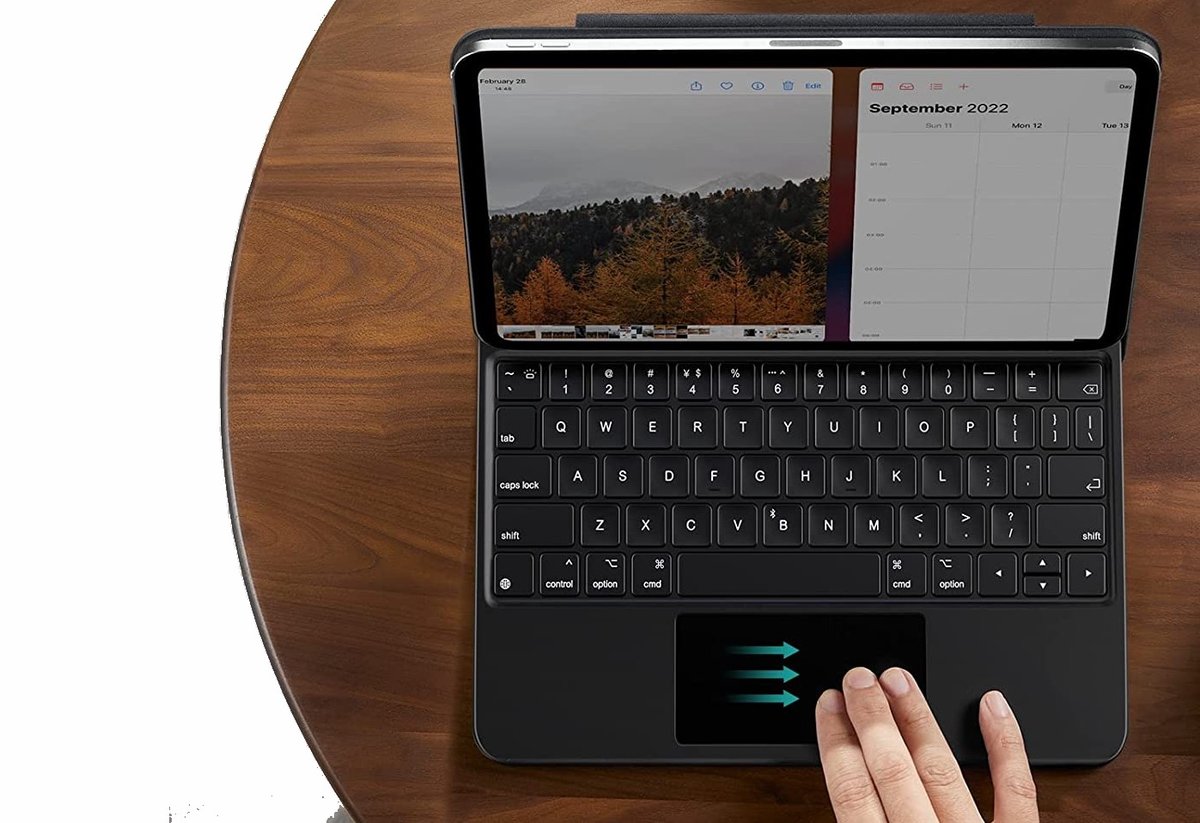
When you invest in an iPad 10th Gen, a keyboard case isn't just an accessory; it's a productivity game-changer, transforming your tablet into a true workhorse. But what happens when that trusty keyboard suddenly stops typing, lags, or simply refuses to connect? Frustration mounts, deadlines loom, and your sleek setup feels more like a brick. Fortunately, most issues with Connecting & Troubleshooting iPad 10th Gen Keyboard Cases aren't mysterious tech failures but common glitches with straightforward fixes.
As a seasoned journalist who's seen countless tech conundrums, I can tell you that the path to a functioning keyboard is often paved with simple diagnostic steps. Forget the panic; we're going to walk through every step, from the easiest checks to the more advanced resets, ensuring you get back to typing with confidence.
At a Glance: Your Quick Fix Cheat Sheet
- Start Simple: Disconnect, reconnect, and clean those connectors first. It solves more problems than you'd think.
- Reboot Everything: A quick iPad restart can clear many software gremlins. Don't forget to power cycle your keyboard if it has a switch.
- Check the Juice: For battery-powered keyboards, ensure they're charged. Smart Connector keyboards draw power directly from your iPad.
- Update iPadOS: Outdated software can cause compatibility headaches. Always keep your iPad updated.
- Bluetooth Blues? If it's a Bluetooth keyboard, "forget" the device and re-pair it. Check for interference and other connected devices.
- Physical Inspection: Look closely for any visible damage on both the keyboard and your iPad's connectors.
- When All Else Fails: Software resets can be powerful, but save a factory reset as a last resort.
Beyond the Basics: Why Your iPad Keyboard Might Be Acting Up
Before we dive into the "how-to," let's briefly understand the "why." When your iPad 10th generation keyboard cases suddenly stops responding, it's rarely a complex conspiracy. More often, it's one of a few usual suspects:
- Power Problems: A dead battery for Bluetooth keyboards, or an issue preventing power delivery for Smart Connector types.
- Connection Confusion: Misaligned connectors, debris blocking the Smart Connector pins, or a Bluetooth pairing hiccup.
- Software Snags: An outdated iPadOS, a rogue app, or a temporary system glitch.
- Compatibility Conflicts: Less common with Apple's accessories, but third-party keyboards sometimes struggle with specific iPadOS versions.
- Physical Damage: The unfortunate reality of spills, drops, or wear and tear.
Understanding these common culprits helps you approach troubleshooting strategically, starting with the most likely and easiest fixes.
First Aid for Your Keyboard: The Essential Troubleshooting Checklist
Think of these as your go-to initial steps, like checking if a lamp is plugged in before assuming the bulb is out. These are quick, non-invasive, and remarkably effective.
1. Disconnect and Firmly Reconnect
This might sound almost too simple, but it's the golden rule of troubleshooting. For Smart Connector keyboards (like Apple's Smart Keyboard Folio or Magic Keyboard Folio), detaching and reattaching ensures a fresh physical handshake.
- How-to: Carefully pull your iPad away from the keyboard case. Give it a moment. Then, re-seat it, ensuring it snaps securely into place and the Smart Connectors (the three small magnetic dots) are perfectly aligned. You should feel a distinct magnetic "click."
2. Clean Those Connectors
Dust, lint, crumbs, or even skin oils can form an invisible barrier between your iPad and a Smart Connector keyboard. This prevents the electrical contact needed for both data and power.
- How-to: Power off your iPad. Using a soft, dry, lint-free cloth (a microfiber cloth works wonders), gently wipe the three metal contacts on your iPad's edge and the corresponding pins on your keyboard. Avoid abrasive materials or liquid cleaners. If you see stubborn grime, a dry cotton swab can help, but be gentle.
3. Restart Your iPad (The Digital Reset)
Just like giving your computer a fresh start, restarting your iPad can clear temporary software bugs or frozen processes that might be interfering with keyboard communication.
- How-to (Standard Restart): Press and hold either the Volume button and the Top button until the power off slider appears. Drag the slider, then wait 30 seconds for your iPad to fully power down. Press and hold the Top button again until you see the Apple logo.
- How-to (Force Restart for iPad 10th Gen): If your iPad is unresponsive, a force restart can often kick things back into gear. Quickly press and release the Volume Up button, then quickly press and release the Volume Down button. Finally, press and hold the Top button until the Apple logo appears. This won't erase any data.
4. Check Battery & Power Cycle (For Battery-Powered Keyboards)
This step is crucial for any keyboard case that relies on its own internal battery, typically Bluetooth models.
- How-to:
- Charge it Up: Plug your keyboard case into its charger and let it charge for at least 15-30 minutes, or until its indicator light shows a healthy charge level. Many keyboards have a small LED that changes color or flashes to indicate battery status.
- Power Cycle: If your keyboard has a physical power switch, turn it off, wait 10 seconds, and then turn it back on. This resets its internal electronics.
5. Update iPadOS
Apple regularly releases software updates that include bug fixes, performance improvements, and enhanced compatibility with accessories. An outdated iPadOS can sometimes be the root cause of connectivity issues.
- How-to: Go to Settings > General > Software Update. If an update is available, download and install it. Ensure your iPad is connected to Wi-Fi and has sufficient battery life (or is plugged in) before starting an update.
Smart Connector Deep Dive: When Your Connection is Physical
The Smart Connector is a fantastic piece of engineering, offering instant, seamless connection without Bluetooth pairing or charging. But precisely because it's a physical connection, it's susceptible to unique issues.
Inspect for Debris and Damage
We already covered cleaning, but sometimes the problem is more than just surface dust.
- Three Little Dots: Look closely at the three small, circular Smart Connector dots on the side of your iPad and the corresponding pins on your keyboard. Are they visibly bent, corroded, or deeply scratched? Even a tiny dent can break the electrical circuit.
- Keyboard Connector Strip: On the keyboard's side, check the metallic strip where it connects to the iPad. Is it free from tears, fraying, or liquid residue?
- Try Another Keyboard (if possible): If you have access to another Smart Connector keyboard (or a friend does), try connecting it to your iPad. If the second keyboard works, it points to an issue with your original keyboard. If neither works, the problem likely lies with your iPad's Smart Connector.
Bluetooth Keyboard Cases: Unpairing the Mystery
Bluetooth keyboards introduce a different set of troubleshooting steps, primarily focused on their wireless connection.
1. Verify Keyboard Power & Bluetooth Status
- On/Off Switch: Ensure your Bluetooth keyboard is definitely turned on. Some have a tiny switch, others a button you hold down.
- iPad's Bluetooth: On your iPad, swipe down from the top-right corner to open Control Center and ensure the Bluetooth icon is blue. Alternatively, go to Settings > Bluetooth and confirm the toggle is "On."
2. The Art of Pairing: Forget and Re-pair
Bluetooth connections can sometimes get "stuck" or corrupted. A fresh pairing often resolves this.
- How-to:
- Go to Settings > Bluetooth.
- Find your keyboard in the "My Devices" list.
- Tap the "i" icon next to its name.
- Tap Forget This Device. Confirm when prompted.
- Now, put your keyboard into pairing mode (check your keyboard's manual for specific instructions – it often involves holding a dedicated Bluetooth button or the power button until an indicator light flashes).
- On your iPad, wait for your keyboard's name to reappear in the "Other Devices" list.
- Tap on your keyboard's name to initiate pairing. You might be prompted to enter a code on the keyboard.
3. Proximity & Interference Checks
Bluetooth works best over short distances and without too many obstacles or competing signals.
- Keep it Close: During pairing and use, keep your keyboard within a few feet of your iPad.
- Clear the Air: Other wireless devices (Wi-Fi routers, cordless phones, microwaves, other Bluetooth devices) can sometimes interfere. Try moving to a different location or temporarily turning off other wireless devices to test.
4. Multiple Devices: Is Your Keyboard Already Taken?
Some advanced Bluetooth keyboards can pair with multiple devices and switch between them. You might unknowingly have your keyboard connected to your iPhone, Mac, or another iPad.
- How-to: Check your keyboard for a device-switching button or key combination (e.g., Fn + 1, 2, or 3). Ensure it's set to connect to your iPad. If in doubt, turn off Bluetooth on other nearby devices temporarily.
5. Incorrect Characters or Layout Issues
If your keyboard is connecting but typing the wrong characters or acting strangely (e.g., Caps Lock not working, @ symbol misplaced), it's likely a language or keyboard layout setting issue.
- How-to: Go to Settings > General > Keyboard > Hardware Keyboard. Check the "Input Languages" or "Keyboard Type" setting. Ensure it matches your physical keyboard's layout (e.g., US English QWERTY). You might need to tap "Add New Keyboard" if your specific layout isn't listed.
Beyond Simple Fixes: Software & Reset Options
Sometimes, the issue runs a bit deeper into your iPad's settings. These options are more drastic than a simple restart but often solve persistent connectivity problems.
1. Confirm Bluetooth Settings Are A-OK
It’s worth a quick double-check here, especially if you're dealing with a Bluetooth keyboard.
- How-to: Head to Settings > Bluetooth. Not only should the toggle be on, but your keyboard should ideally be listed under "My Devices" with a "Connected" status. If it's listed but not connected, tap the "i" and try "Connect" or follow the "Forget and Re-pair" steps above.
2. Reset Network Settings (Targeted Fix for Bluetooth)
This reset can be incredibly helpful for stubborn Bluetooth issues because it clears all network-related configurations without affecting your personal data. This includes Wi-Fi passwords, cellular settings, and Bluetooth pairings.
- How-to: Go to Settings > General > Transfer or Reset iPad > Reset > Reset Network Settings. You'll need to re-enter Wi-Fi passwords and re-pair any Bluetooth devices afterward.
3. Reset All Settings (A Broader System Refresh)
This is a more comprehensive reset than just network settings. It reverts all your iPad's settings (like wallpaper, home screen layout, accessibility settings, privacy settings) back to their factory defaults, but crucially, it leaves all your apps and data intact.
- How-to: Go to Settings > General > Transfer or Reset iPad > Reset > Reset All Settings. This can sometimes resolve deeper software conflicts that a simple restart won't touch.
4. Factory Reset (The Nuclear Option)
This is a last resort. A factory reset wipes everything from your iPad, returning it to the exact state it was in when you first took it out of the box. Only consider this if you've exhausted all other options and suspect a deeply embedded software issue.
- Crucial Step: BACK UP YOUR IPAD FIRST! Connect to iCloud or iTunes/Finder on a computer to ensure all your photos, documents, and app data are safe.
- How-to: Go to Settings > General > Transfer or Reset iPad > Erase All Content and Settings. Follow the on-screen prompts.
When It's Time to Call for Backup (or a Replacement)
You've tried everything. You've cleaned, restarted, re-paired, and reset. If your keyboard case still isn't cooperating, it might be time to accept that the problem is beyond simple troubleshooting.
Signs of Deeper Issues:
- No Response At All: The keyboard is completely dead, even after charging/reconnecting.
- Visible Damage: Broken keys, frayed cables (for wired components), obvious liquid damage, or severely bent Smart Connector pins.
- Inconsistent Functionality: It works sometimes, then stops. Or certain keys work while others don't.
- Repeating Keys: Keys "stick" virtually, typing the same character multiple times with a single press.
- "This Accessory Is Not Supported" Message: This often points to a serious connectivity issue, potentially hardware-related.
- iPad Not Recognizing Keyboard: Your iPad simply doesn't acknowledge the keyboard's presence, even after re-pairing attempts.
Warranty & AppleCare+: Your Safety Net
If your keyboard case is an Apple product (Smart Keyboard Folio, Magic Keyboard Folio) and still under warranty (Apple's one-year limited warranty or AppleCare+), contact Apple Support immediately. They can often diagnose issues remotely or arrange for a repair or replacement. Have your iPad and keyboard's serial numbers handy.
Out of Warranty Considerations
If your keyboard is out of warranty, you'll need to weigh the cost of repair against purchasing a new one.
- Apple Store/Authorized Service: Can be pricey for out-of-warranty repairs.
- Third-Party Repair: Might be an option for some physical damage, but ensure they are reputable.
- Replacement: Often the most straightforward solution for third-party keyboards or older Apple models. Consider exploring alternative brands for your next iPad 10th generation keyboard cases to find options that might better suit your needs or budget.
Always Back Up Your Data!
Before sending your iPad or keyboard in for service, make sure your iPad is backed up. While repair shops are professional, accidents can happen, and you don't want to lose precious data.
Keeping Your Keys Happy: Prevention & Maintenance Tips
An ounce of prevention is worth a pound of cure, especially with tech. A little care goes a long way in extending the life and reliability of your iPad keyboard case.
- Regular Cleaning Routine:
- Shake it Out: Periodically hold your keyboard upside down and give it a gentle shake to dislodge crumbs and debris from between the keys.
- Compressed Air: For more stubborn particles, a can of compressed air can work wonders. Use short bursts and hold the can upright.
- Wipe Down: Use a soft, dry, lint-free cloth to wipe down the keys and the Smart Connectors (as described in the troubleshooting section). Avoid harsh chemicals, window cleaners, or abrasive wipes, which can damage surfaces.
- Proper Storage: When not in use, keep your iPad closed within its case. This protects both the screen and the keyboard from dust, spills, and accidental damage.
- Avoid Extreme Temperatures: Don't leave your iPad and keyboard in direct sunlight on a hot car dashboard or in very cold environments. Extreme temperatures can affect battery life, screen performance, and internal components.
- Stay Updated: Regularly update your iPadOS. These updates often include important bug fixes and performance enhancements that can prevent compatibility issues with your accessories.
- Handle with Care: Be gentle when connecting and disconnecting your Smart Connector keyboard. Avoid yanking or forcing it, which can bend pins or stress the magnetic connection. Similarly, for Bluetooth keyboards, avoid rough handling that could damage internal components.
Final Thoughts & Next Steps
Getting your iPad 10th Gen keyboard case back in working order doesn't have to be a daunting task. By systematically working through the steps outlined here, you can resolve most common issues yourself. Remember to start with the simplest solutions, move to more involved software resets if needed, and always consider the type of keyboard you have (Smart Connector vs. Bluetooth) to guide your troubleshooting.
Your iPad is a powerful tool, and with a fully functional keyboard, its potential is unlocked. So go ahead, troubleshoot with confidence, and get back to creating, connecting, and conquering your to-do list!